
Alcohol Abuse Problems
Professional hypnosis treatments for alcohol abuse & drinking problems at the Wombourne Clinic in Wolverhampton
- Over 15 years’ experience in hypnotherapy
- BSc-qualified therapist
- Calm, confidential and non-judgemental support
- In-person in Wombourne near Wolverhampton
About Alcohol Abuse
If you think you may be an alcoholic, then you should consider getting in touch with Alcoholics Anonymous.
If you take a drink to avoid feeling bad, or alternatively to make yourself feel good, then it’s possible that your drinking could be a problem.
This problem can “sneak up” on without notice and what can seem like the same old “social drinking” can take on a new dimension.
Understanding the problem is the first step in doing something about it.
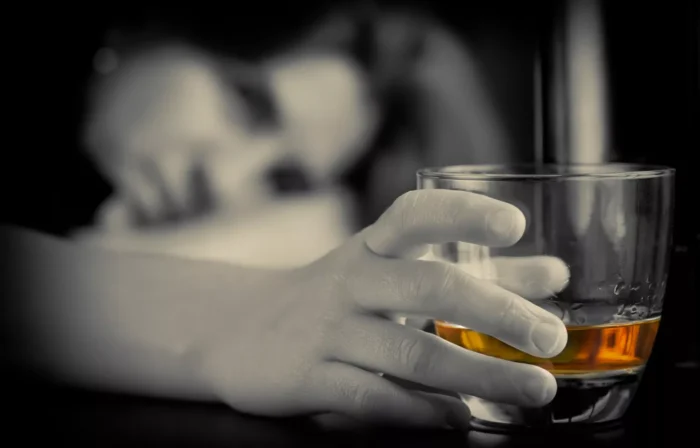
So what actually is Alcohol Abuse?
Alcohol Abuse, along with all psychological conditions, encompass a large number of factors that can influence your likelihood of becoming an “abuser” or not.
There are just as many factors which might lead you take up drinking as a way of coping with life’s stresses and anxieties.
If the environment in which you grew up was associated with heavy drinking then you are more likely to develop an drink related problem.
People suffering Anxiety Disorders or Depression are also more susceptible as the temptation to “avoid” the factors causing the problem by “drinking them away” can be tempting.
The most reliable measure of whether or not you have an Alcohol Abuse problem is the degree to which it is affecting your life, in your relationships and in your home and work environments.
Do You Have an Alcohol Abuse Problem?
It is possible that you do have a problem if you experience any of the following:
- Have feelings of guilt or perhaps shame about the amount you drink
- Hide your drinking from others
- Lie about how frequently or how much you drink
- Frequently have comments made about your drinking by friends or family
- Believe that you NEED to drink in order to feel better
- Have memory loss about drinking sessions
- Drink much more than you intended to
If you believe that you have an addiction problem then we advise, before consulting for therapy, that you discuss the matter with your GP.
Some early warning signs of Alcohol Abuse
If you need to drink more than you “used to” to get that “high” feeling, or you find that you can “out-drink” others before you get drunk, then you may be developing a “tolerance” to alcohol which could indicate alcohol abuse.
If you develop the “shakes” or the “DT’s” and need a drink to steady your hands then this could be warning sign.
This drinking to offset the symptoms of withdrawal is a significant sign that Alcoholism may be developing.
You may also develop some other physical signs which could include:
- Anxiety
- Trembling hands
- Sweating when it’s not particularly warm
- Vomiting
- Nausea
- Difficulty sleeping
- Depression
- Fatigue
- Easily Irritated
- Frequent headaches
In severe abuse cases, withdrawal from drink can also involve hallucinations, confusion, seizures, fever, and agitation.
These symptoms can be dangerous.
If your Alcohol Abuse is more severe it’s possible that you could also suffer from hallucinations, seizures and severe irritation.
These are all signs to get some help.
Find out if you are experiencing the symptoms or behaviours that are commonly linked to addictions by taking the addictive behaviour quiz on the Tranceform Psychology site here (opens a new window).
Alcohol Abuse Denial
Because of the socially acceptable dimensions of drinking in our society it is very easy to become self-deceiving over your drinking.
Denial takes place when the internal dialogue you have with yourself (the conversations in your own mind) finds ways of making excuses that your drinking is fine and under control.
It is much easier to convince yourself rather than others that a problem doesn’t exist.
Your ability to be completely honest with yourself may well determine your likelihood of getting help before your Alcohol Abuse turns into Alcoholism.
Examples of Denial
“I can easily stop drinking whenever I want to (I just don’t want to at the moment!)”
Maybe you can, maybe you can’t, but by trying to convince yourself that you really are in control you ignore the fact that you are really just making an excuse to keep on drinking.
If it’s that easy the why don’t you stop drinking for two weeks and prove it to yourself
“I’m not hurting anybody and it’s my own business what I do with my body.”
Of course that’s completely true, it’s your body and if want to ruin your life then that’s up to you, but it is self-deception to believe that it’s only your life that is affected by Alcohol Abuse.
Your friends and family will all be affected by watching you doing this to yourself.
“I only drink Beer or wine so I can’t have a “real” drink problem.”
Alcohol abuse has very little to do with your choice of drink or, to that matter, how much you drink. Alcohol Abuse is all about the EFFECTS of your drinking.
One “blow-out” once a week could easily be symptomatic of an Alcohol Abuse problem.
“I’m holding down a job so I must be OK.”
The notion that you have to be swigging “meths” out of a brown paper back on a street corner to have a problem is nonsense.
Many people with a drink problem are able to hold down very senior roles seemingly without a problem, but it is important to be aware that Alcohol Abuse rarely falls into an “even and balanced” pattern, instead it normally escalates over time.
“Well, it’s not as bad a drug abuse is it?”
Alcohol, of course, IS a drug and has the same potential for damage as any other narcotic.
Alcohol can affect the way the brain functions leading to the “need” to drink more to keep supplying the brain with the “pleasurable” experiences.
The good news is that these changes in Brain Function CAN be reversed through the appropriate use of drugs or Psychotherapy.

Hypnotherapy for Alcohol Abuse
At Wolverhampton Hypnotherapy, we invite you to take a courageous step towards reclaiming your life from alcohol abuse through our compassionate and personalised hypnotherapy approach.
Our experienced practitioners will guide you in exploring your subconscious to unearth the underlying causes of your relationship with alcohol, leading to invaluable personal insights and transformative change.
Each session serves as a supportive journey, empowering you to rediscover your self-worth and resilience while providing you with the essential tools for making healthier choices.
With our dedicated support, you can liberate yourself from the cycle of dependency and embark on a path to a brighter, more fulfilling future, one step at a time.
Hypnotherapy sessions, clinic location and fees
Initial consultation:
A calm, exploratory meeting to understand your situation and how hypnotherapy may help.
Ongoing sessions:
Typically weekly or fortnightly, tailored to your needs.
Location:
Comfortable private setting near Wolverhampton / Wombourne, with free parking.
Fees:
Initial consultation: £30
Ongoing hypnotherapy session: £70
6 session hypnotherapy courses: £390

Initial Consultations for Alcohol Abuse
Joan offers all prospective clients a low cost (£30) initial consultation to discuss your anxiety-related problems.
During this 50 minute consultation Joan will discuss the various options that are available to you and make a considered recommendation based on your individual personal circumstances.
At Wolverhampton Hypnotherapy we understand the importance of the therapeutic relationship and so place a great emphasis on being able to meet PRIOR to agreeing any kind of help.
Our policy is to help people make a fully balanced & considered decision about undertaking therapy with us, including both the financial, work-load and personal implications.
E-mail joan at:

About Joan Lee BSc.
Joan has been a practicing Hypnotherapist since 2011 when she was awarded her diploma in evidence-based hypnotherapy from the International Association of Hypno-Analysts (IAH). She also has a BSc Honours degree in counselling and psychology and an Enhanced DBS certificate valid until 2027.
Let's Have a Chat About Your Alcohol Abuse Problems
Arrange an informal discussion with Joan to find out how Hypnotherapy could help.