Hypnotherapy for PTSD
Professional hypnosis treatments for PTSD (Post-Traumatic Stress Disorder) at the Wombourne Clinic in Wolverhampton
- Over 15 years’ experience in hypnotherapy
- BSc-qualified therapist
- Calm, confidential and non-judgemental support
- In-person in Wombourne near Wolverhampton
Understanding PTSD
PTSD stands for post-traumatic stress disorder and is an Anxiety condition caused by very stressful, frightening or distressing events.
It is known as ‘post traumatic’ because the normal processing of negative events and experiences that occurred in the past seems to have been ‘bypassed’ and is still ‘residing’ in the brain and producing symptoms beyond what might be considered the ‘normal’ time-frame to resolve these events (approx 2 years).
The type of events that can cause PTSD include:
- Road Traffic Accidents
- Sexual Assaults
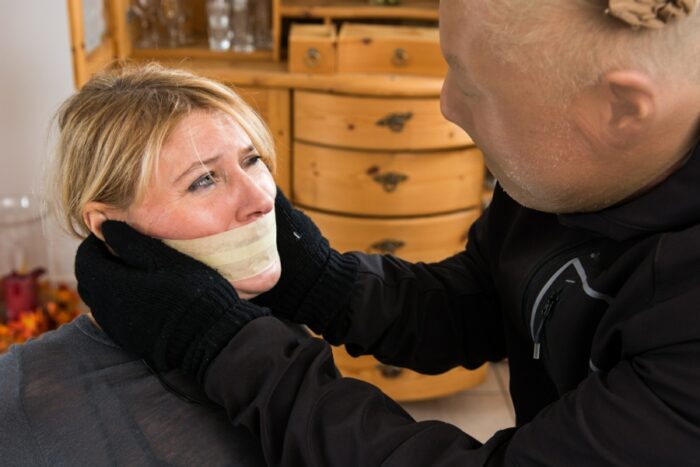
- Being Robbed or Mugged
- Violence Against Yourself
- Witnessing Death (violent death)
- Military Combat Experiences – used to be called “shell-shock”
- Experiencing Natural Disasters – Earthquakes, Major Floods etc.
PTSD can develop immediately following a disturbing event, or it can occur weeks, months or even years later.
All of us will suffer our fair share of stresses, strains and difficult situations.
For most of us, recovery from these events will be a natural process which occurs over time, without the need for further help.
For others however, certain traumatic and frightening events can trigger a reaction which can last for a period of months, or even years.
This reaction is known as PTSD, a condition which manifests both physically and psychologically and is thought to occur in approximately 30% of individuals who experience traumatic events.

PTSD Symptoms
Post-traumatic stress disorder (PTSD) often manifests through a range of emotional and physical symptoms that can significantly impact daily life.
These symptoms may include:
- intrusive memories of the traumatic event,
- flashbacks,
- nightmares, and
- severe anxiety.
Individuals may also experience emotional numbness, difficulties with relationships, and a heightened state of alertness, which can lead to irritability and sleep disturbances.
Additionally, many people with PTSD may engage in avoidance behaviours, steering clear of reminders of the trauma, and may develop negative thought patterns or feelings of hopelessness.
Recognising these symptoms is a crucial step towards seeking help and beginning the journey of healing and recovery.

Hypnotherapy for PTSD
Hypnotherapy is an effective approach for treating PTSD, as it enables individuals to access and reprocess traumatic memories in a safe and controlled environment.
By inducing a relaxed state, hypnotherapy allows clients to explore their feelings and thoughts related to the trauma without the overwhelming anxiety that often accompanies such recollections.
During the sessions, Joan will guide you through visualisations and techniques that aim to dissolve the emotional charge associated with traumatic memories, facilitating a healthier integration of those experiences.
This therapeutic process can help reduce symptoms such as flashbacks, insomnia, and emotional distress, ultimately promoting healing and enhancing overall well-being.
Through consistent engagement in hypnotherapy, many clients find relief from the burdens of PTSD, paving the way for a more peaceful and fulfilling life.

Hypnotherapy for Young Adults
Research into 18–25-year-olds seeking therapy found that there are a number of barriers to help-seeking including difficulty identifying the problem, concerns about stigma, preference for self-reliance and uncertainty about where to go for help.
At Wolverhampton Hypnotherapy we have developed two distinct pathways to address these specific limitations, firstly a page dedicated to hypnotherapy for young adults and secondly, a page outlining how parents can help their son or daughter access therapy without taking-over or imposing the need for therapy upon them.

CBT Therapy for PTSD
If you’re unsure about undertaking a course of hypnotherapy for PTSD, then you might like to consider a structured programme of CBT with Paul.
Sessions, location and fees
Initial consultation:
A calm, exploratory meeting to understand your situation and how hypnotherapy may help.
Ongoing sessions:
Typically weekly or fortnightly, tailored to your needs.
Location:
Comfortable private setting near Wolverhampton / Wombourne, with free parking.
Fees:
Initial consultation: £30
Ongoing session: £90
6 session courses: £480

Initial Consultations for PTSD
Joan offers all prospective clients a low cost (£30) initial consultation to discuss your stress-related problems.
During this 50 minute consultation Joan will discuss the various options that are available to you and make a considered recommendation based on your individual personal circumstances.
At Wolverhampton Hypnotherapy we understand the importance of the therapeutic relationship and so place a great emphasis on being able to meet PRIOR to agreeing any kind of help.
Our policy is to help people make a fully balanced & considered decision about undertaking therapy with us, including both the financial, work-load and personal implications.
E-mail joan at:


About Joan Lee BSc.
Joan has been a practicing Hypnotherapist since 2011 when she was awarded her diploma in evidence-based hypnotherapy from the International Association of Hypno-Analysts (IAH). She also has a BSc Honours degree in counselling and psychology and an Enhanced DBS certificate valid until 2027.

Click to Call Joan
Click to Text Joan
Let's Have a Chat About Your PTSD Problems
Arrange an informal discussion with Joan to find out how Hypnotherapy could help.